If you’re considering upgrading your outdoor space, understanding stamped concrete patio cost 2026 is essential before making any decisions. Stamped concrete has become one of the most popular hardscape choices for homeowners because it delivers the aesthetic appeal of natural stone or brick at a fraction of the price but costs vary significantly based on design, location, and contractor expertise.
In this guide, we’ll break down what you can realistically expect to spend, what factors drive pricing, and how to avoid overpaying for poor-quality work.
What Is a Stamped Concrete Patio?
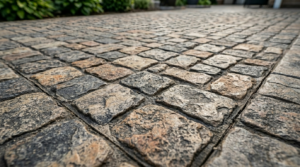
Stamped concrete is a decorative concrete finishing technique where patterns, textures, and colors are applied to freshly poured concrete. The result mimics the look of pavers, stone, slate, cobblestone, or other expensive materials while maintaining the durability and cost-effectiveness of concrete.
The process involves:
- Base preparation and concrete pouring
- Applying color pigments (integral or surface-applied)
- Using stamping tools to create patterns while concrete is still curing
- Optional sealing to enhance appearance and protect the surface
What makes stamped concrete appealing isn’t just the cost savings it’s the versatility. You can achieve virtually any aesthetic, from rustic slate to elegant stone, all with concrete as your foundation.
Stamped Concrete Patio Cost Breakdown for 2026
Average Cost Range
For 2026, expect to pay between $8 to $18 per square foot for a standard stamped concrete patio installation. For a typical 400-square-foot patio, that translates to roughly $3,200 to $7,200 in total project costs.
However, this baseline doesn’t tell the whole story. Premium designs, complex patterns, and custom color combinations can push costs to $20–$25+ per square foot.
What’s Included in These Costs?
A legitimate quote from a stamped concrete contractor should include:
- Site excavation and base preparation
- Gravel or stone base layer
- Concrete pouring and finishing
- Stamping and texturing
- Color application (if used)
- Initial sealing (often included; follow-up sealing is separate)
- Labor and equipment
What’s typically NOT included:
- Ongoing maintenance and resealing
- Removal of existing patio (add $1–$3 per square foot if needed)
- Drainage modifications or extensive site prep
- Specialty finishes or custom designs
Key Factors That Affect Stamped Concrete Patio Pricing
1. Size and Complexity
Smaller patios (200–300 sq ft) often cost more per square foot because setup and labor are spread across less area. Larger patios benefit from economies of scale. Complex shapes, curves, or multiple pattern sections increase labor time and materials, raising costs significantly.
2. Pattern and Design Choices
- Simple patterns (basic geometric stamps): $8–$12/sq ft
- Standard patterns (ashlar slate, cobblestone): $12–$16/sq ft
- Custom or intricate designs: $16–$25+/sq ft
Multi-color designs and detailed patterns require more skilled labor and precision, which contractors charge a premium for.
3. Color Application Method
- Integral pigment (color mixed into concrete): Most economical, $10–$14/sq ft
- Surface-applied color: More vibrant, longer-lasting, $12–$18/sq ft
- Custom or specialty finishes: $18–$25+/sq ft
Integral color is cheaper but can fade over time. Surface-applied color looks richer and holds up better, justifying the higher cost.
4. Location and Accessibility
Stamped concrete patio costs in Tennessee vary by region. If you’re in Spring Hill, TN, Franklin, TN, or Brentwood, TN, labor rates and material availability differ. Urban areas typically run 10–15% higher than rural regions. Site accessibility matters too—if concrete trucks can’t reach your patio, costs increase for material hauling.
5. Concrete Quality and Thickness
Standard 4-inch concrete is the norm, but some high-traffic areas benefit from 5-inch slabs. Higher-grade concrete mixes that resist cracking cost more upfront but last longer. Budget concrete is cheaper but prone to damage in freeze-thaw climates.
6. Sealing and Finishes
Initial sealing is often included, but the quality varies:
- Basic acrylic sealer: Often included, lasts 1–2 years
- Polyurethane sealer: Better protection, $200–$500 extra
- Epoxy sealer: Premium option, $500–$1,000+ for larger patios
Resealing every 2–3 years adds $100–$400 to ongoing costs depending on patio size.
7. Contractor Experience and Reputation
Here’s where many homeowners go wrong: choosing based purely on price. A stamped concrete contractor with 10+ years of experience and quality reviews will charge more than a novice but the difference in finished product quality is substantial. Poor stamping, uneven color, cracking, or premature sealer failure are common with cut-rate contractors.
Real-World Pricing Examples for 2026
1: Standard 300 sq ft Ashlar Slate Design
- Base rate: 300 × $13/sq ft = $3,900
- Color application: Included
- Basic sealing: Included
- Total: $3,900–$4,500
2: 500 sq ft Custom Multi-Color Patio with Premium Sealing
- Base rate: 500 × $18/sq ft = $9,000
- Premium polyurethane sealer: +$600
- Site prep (partial demo): +$800
- Total: $10,400–$11,200
3: 600 sq ft Intricate Custom Design with Epoxy Sealer
- Base rate: 600 × $22/sq ft = $13,200
- Premium epoxy sealer: +$900
- Complex site work: +$1,200
- Total: $15,300–$16,500
These examples assume professional installation. DIY concrete work is risky and rarely produces acceptable results for stamped finishes.
Benefits of Stamped Concrete Patios
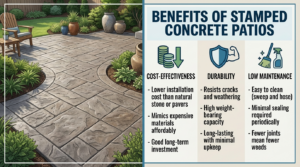
Cost-effective luxury: Achieve high-end aesthetics for 40–60% less than natural stone or pavers.
Low maintenance: Unlike pavers that shift or require weeding, stamped concrete is straightforward to maintain.
Longevity: Properly sealed and maintained, stamped concrete lasts 25+ years.
Design flexibility: Virtually unlimited pattern and color combinations.
Durability: Concrete handles freeze-thaw cycles, weight, and foot traffic better than many alternatives.
Limitations and Honest Challenges
Cracking: Concrete naturally develops hairline cracks. While acceptable and normal, some homeowners find them aesthetically off-putting.
Resealing requirement: Every 2–3 years, you’ll need professional resealing to maintain appearance and protection (cost: $100–$400).
Not DIY-friendly: Stamping requires skill and speed. Poor installation results in obvious defects.
Slippery when wet: Sealed stamped concrete can be slippery. Anti-slip additives add cost ($300–$600).
Limited repairs: If a section gets damaged, patching is visible. Full resurfacing may be required.
Common Mistakes Homeowners Make
- Choosing the cheapest quote
The lowest bid often reflects cutting corners on materials, sealing, or labor expertise. A realistic quote is usually mid-range for your area. - Underestimating ongoing maintenance
Many homeowners skip resealing to save money, leading to premature surface degradation and costly repairs within 5–7 years. - Ignoring drainage
Poor site drainage causes water pooling and premature concrete failure. Proper grading and drainage solutions cost extra upfront but save thousands in repairs. - Choosing color based on small samples
See full-size stamped samples or completed projects in similar lighting. Colors shift dramatically in different conditions. - Not getting detailed contracts
Vague contracts lead to scope creep, surprise costs, and disputes. Insist on itemized quotes that specify materials, techniques, and warranty terms.
Expert Tips for Getting the Best Value
Get 3 detailed quotes. Compare apples to apples ensure quotes cover the same scope, materials, and sealing options. Don’t fixate on the lowest number.
Ask for local references. Request photos of completed patios in your area installed 2–3 years ago. This shows longevity and how well the contractor performs over time.
Understand warranty coverage. Reputable contractors offer 1–5 year warranties on labor. Sealer warranties are typically 1–3 years depending on product.
Plan for resealing. Budget $100–$400 every 2–3 years. This extends the life of your patio significantly and maintains the aesthetic appeal.
Discuss climate factors. If you’re in an area with harsh winters (freeze-thaw cycles), invest in higher-quality concrete mixes and sealers. It costs more upfront but prevents cracking and extends longevity.
Consider timing. Spring and early summer are peak seasons, so contractors may charge premiums or have longer wait times. Fall is often cheaper.
Should You Choose Stamped Concrete Over Alternatives?
| Option | Cost (per sq ft) | Longevity | Maintenance | Aesthetic Flexibility |
| Stamped Concrete | $10–$20 | 25+ years | Moderate (sealing) | High |
| Natural Stone Pavers | $20–$30+ | 20+ years | High (weeding, leveling) | High |
| Porcelain Pavers | $25–$35 | 25+ years | Low | Medium |
| Composite Decking | $15–$25 | 15–20 years | Low Moderate | Medium |
| Poured Concrete (plain) | $5–$8 | 20+ years | Very low | Low |
Stamped concrete sits in a sweet spot: lower cost than pavers or stone, better aesthetics than plain concrete, and reasonable maintenance demands.
Frequently Asked Questions
Q: What’s the difference between interior and exterior stamped concrete prices?
A: Exterior patios typically cost 10–15% more due to exposure to elements. More robust sealing and weather-resistant colors are standard.
Q: Can I stain my stamped concrete after installation to change the color?
A: Yes, but staining existing concrete is tricky and often produces uneven results. It’s better to get the color right during initial installation. Staining usually costs $2–$5 per square foot if done professionally.
Q: How often do I need to reseal my stamped concrete patio?
A: Every 2–3 years for high-traffic areas; every 3–5 years for lightly used patios. Climate and sealer type affect frequency.
Q: Is stamped concrete slippery in winter or when wet?
A: Yes, it can be. Anti-slip sealers or grit additives reduce slipperiness and cost $300–$600 extra. They’re worth the investment if you have foot traffic concerns.
Q: What’s the average lifespan of a stamped concrete patio?
A: 25–30 years with proper maintenance (resealing every 2–3 years). Without maintenance, degradation accelerates after 5–7 years.
Q: Can I add a stamped concrete patio to an existing slab?
A: Not directly. You’d need to either remove the old slab or build on top of it (raising height). Removal adds $1–$3 per square foot to the project cost.
Q: Why is my stamped concrete patio showing cracks?
A: Minor hairline cracks are normal and don’t indicate failure. They result from concrete curing and natural settling. Wider cracks (¼ inch+) may indicate drainage issues, poor base preparation, or substandard concrete mix.
Getting Started: Next Steps
If you’re ready to explore stamped concrete for your home, here’s what to do:
- Measure your patio space and identify the desired pattern and color
- Research local contractors with proven track records in your area
- Request detailed quotes that break down materials, labor, and sealing
- Ask for references and view completed projects similar to your vision
- Discuss maintenance expectations and budget for resealing every 2–3 years
If you’re in the Tennessee area, we serve Columbia, TN and surrounding communities with expert stamped concrete installation. Contact us at 931-416-5131 for a free consultation and detailed quote.
For more information on concrete costs, check out our comprehensive guide on concrete slab cost in 2026.
Understanding stamped concrete patio cost 2026 empowers you to make smart decisions and invest in a beautiful outdoor space that delivers lasting value. Take your time, ask the right questions, and partner with experienced professionals who stand behind their work.